What is Programmatic SEO (pSEO)?
Programmatic SEO is basically about generating a lot of website pages automatically to rank higher on Google for local searches.
Let me explain, Airbnb provides an internet site dedicated to all or any forms of accommodation searches. this is often because of the very fact that they employ programmatic SEO to achieve their intended audience. Tripadvisor, for instance, features a website dedicated to practically every aspect of travel. The brand is consistently at the top of the search results for “top things to do in (city)”
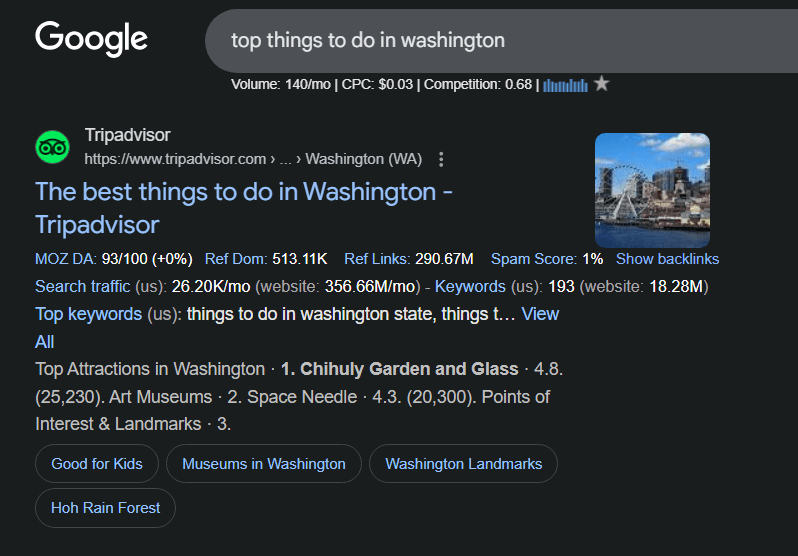
They have hundreds of websites just like this for every city on the planet, with the same style and information.
What Exactly Is The Aim Of All Of This?
They are aware that a large number of individuals are looking for these terms, and they want to reach as many people as possible.
As a result, businesses must develop thousands of landing sites so as for their links to receive the foremost clicks. Mobile, voice, and native searches all result in the landing sites.
In the SEO world, there have been a lot of discussions about 10x content and how it may help you improve your search rankings. While 10x content is optimal, programmatic SEO allows you to skip the very lengthy SEO procedure.
It’s less about producing authoritative or high-quality content and more about delivering a positive user experience and high-volume landing pages with transactional intent.
⚠️ Important: Success depends on providing unique, valuable content for each page. Search engines penalize thin or duplicate content, so ensure your data is rich and your template provides real value to users.