
If you’ve researched backlinks in the last five years, you’ve probably read that directory links are spam, outdated, or worthless. Most SEO blogs written between 2015 and 2020 painted them as relics of a manipulative era—tools that Google’s algorithm updates buried for good.
But here’s what’s interesting: founders still ask us about them in 2026.
Why? Because they work when done right.
The problem isn’t directory submissions themselves. It’s how people have been doing them, submitting to low-quality spam networks, auto-approve link farms, and irrelevant directories that add zero value. Those tactics deserved to die.
What didn’t deserve to die? Strategic placement in high-quality, niche-relevant directories that real people actually use.
This post isn’t theory. It’s real data from real clients at SEO Mode who used directory submissions as their foundational link-building strategy. We’ll show you exactly what happened when we submitted their sites to curated directories—starting DR, traffic changes, indexation speed, and referral visits.
Let’s get into it.
What People Mean by “Directory Submissions” Today
When most people hear “directory submissions,” they picture spam. And honestly, they’re not entirely wrong, there are still thousands of garbage directories out there that serve no purpose except to game search engines.
But the directory landscape has evolved.
Old-school spam directories:
- Auto-approve sites with no review process
- Generic categories like “Business > General”
- Zero traffic, zero editorial standards
- Built purely for link manipulation
Modern niche directories:
- SaaS product listings (Product Hunt, G2, Capterra)
- Startup directories (BetaList, Today Launches, Indie Hackers)
- Industry-specific review platforms (Clutch, GoodFirms, SaaSHub)
- Tool aggregators and curated lists (There’s An AI For That, AI Tool Hunt)
The difference? Modern directories have real users, editorial standards, and organic traffic. They’re not link schemes, they’re legitimate discovery platforms.
Most advice online about directory submissions is stuck in 2015. It doesn’t account for how these platforms have matured or how Google’s algorithm has become sophisticated enough to distinguish between spam and value.
How Google Really Treats Directory Links Now
Google doesn’t categorically hate directory links. It hates manipulative link patterns.
Here’s what actually matters in 2026:
Link relevance > link type
A relevant directory link from a platform in your niche carries weight. A random submission to a generic business directory doesn’t. Google evaluates context—does this link make sense for this site?
Authority, traffic, indexing, and context
Google looks at whether the directory itself has authority, whether it sends traffic, whether it’s indexed properly, and whether the link exists in a valuable context (like a curated list, not a spam footer).
When directories help:
- New sites that need trust signals and faster indexation
- Domains with zero backlinks trying to establish authority
- Launches and rebrands that need initial visibility
- As part of a diverse link profile, not the only strategy
When they’re ignored:
- Low-quality directories with no traffic or authority
- Irrelevant niches that make no contextual sense
- Obvious link schemes or networks with footprints
The key insight: Google treats good directory links the same way it treats any other editorial link—if it’s relevant, authoritative, and useful, it counts.
When Directory Submissions Are Still Good for SEO
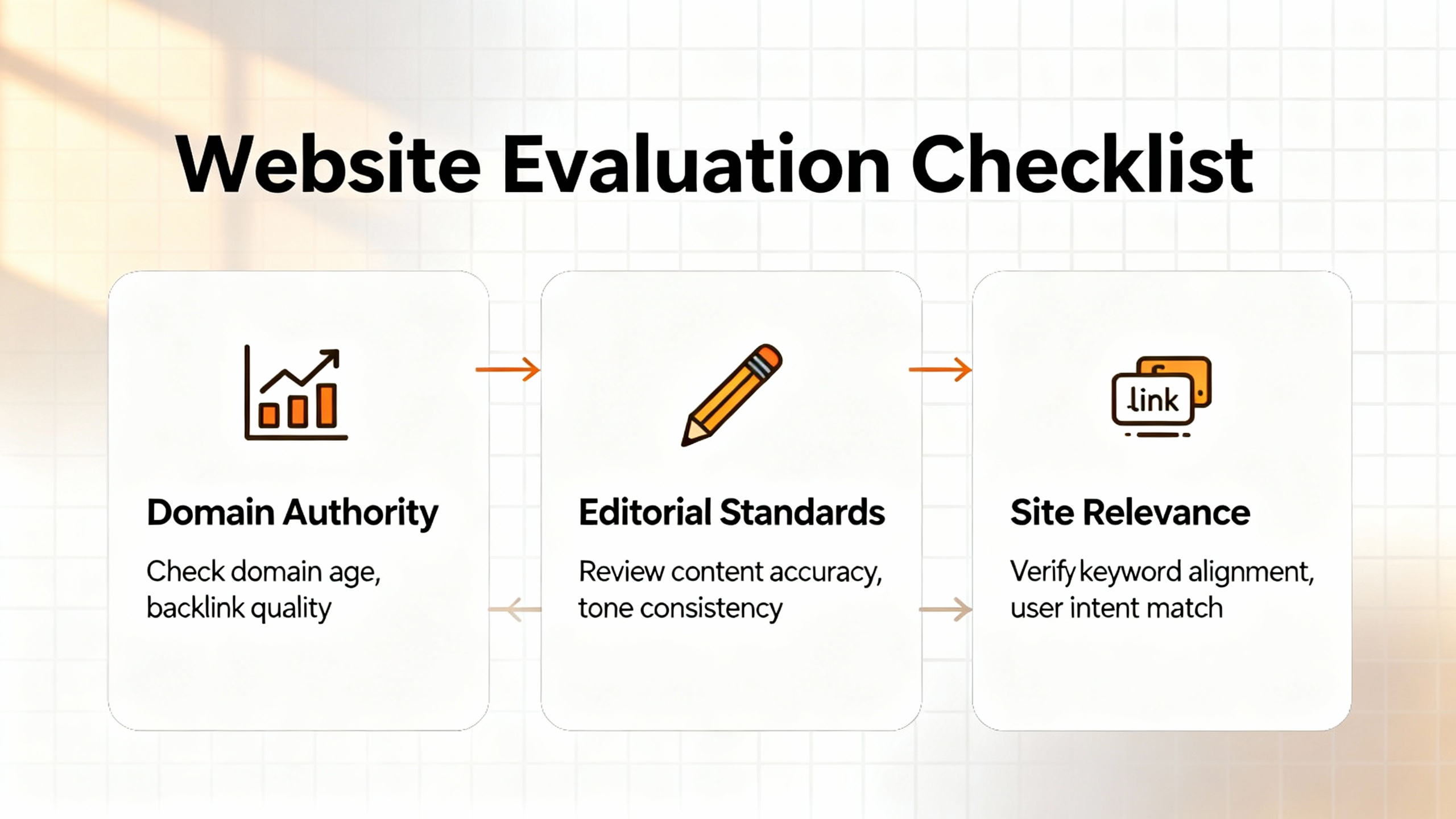
Directory submissions aren’t for everyone, but they’re extremely valuable in specific situations:
New domains that need trust and indexation
If you just launched a site, Google doesn’t know you exist. Directory links help you get discovered faster. They signal that you’re a real business, not a spam site.
Founders with zero backlinks
If you have no link profile whatsoever, directory submissions give you a foundational layer of authority. It’s much easier to build on DR 15 than DR 0.
Launches, rebrands, new pages
When you’re introducing something new to the market, directory submissions help you get indexed quickly and start sending referral traffic while you work on longer-term strategies like content and outreach.
As foundational links, not your whole strategy
Think of directory submissions as the base layer. They’re not going to rank you for competitive keywords alone, but they make everything else easier—guest posts become more viable, outreach gets better responses, and your domain starts accumulating trust.
What We See in Practice at SEO Mode
At SEO Mode, we’ve submitted hundreds of sites across SaaS, AI tools, B2B services, and startups to curated, niche-relevant directories. We track every submission, monitor indexation, and measure results across 30, 60, and 90-day windows.
Here’s what we consistently see:
Faster indexation
Sites that go through our directory submission process get indexed by Google significantly faster than sites that don’t. We’re talking days instead of weeks for new pages.
Early DR/DA lifts
Most clients see their Domain Rating (Ahrefs) or Domain Authority (Moz) move from 0-5 to 15-25 within the first 45-60 days. This isn’t massive, but it’s enough to make the domain look legitimate.
First referral traffic
Many of the directories we submit to send real traffic. We’ve seen clients get their first 100-500 visitors purely from directory referrals before their content strategy even kicks in.
Easier outreach later
When clients have a baseline DR of 18-20 from directory links, their guest post pitches and collaboration requests get taken more seriously. It’s much easier to build relationships when you’re not starting from zero.
Client Results: Real Examples
Here are real case studies from our clients who used directory submissions as their primary link-building strategy in the first 90 days.
Client A: SaaS Tool in Trading/Crypto Niche (DR 0 → DR 25 in 27 Days)
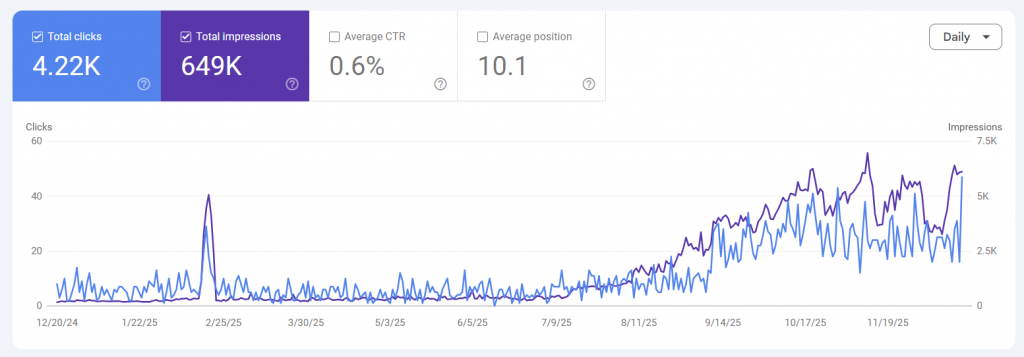
Background: Brand new domain, no backlinks, just launched their AI-powered crypto tracking/trader tool. They wanted to establish authority quickly and start getting indexed.
What we did:
- Submitted to 112 niche-relevant directories (SaaS lists, AI tool aggregators, startup directories)
- Focused on platforms with real traffic and editorial review
- Created unique descriptions for each submission
Results after 30 days:
- Domain Rating increased from 0 to 25
- First 200 referral visits from directory listings
- Homepage and product pages indexed within 5 days
Results after 90 days:
- 50% increase in their organic traffic
- Got their first leads, from their comparison pages
Results after 6 month:
- Doubled their Organic Traffic
- Doubled their Users Registration
Key takeaway: For new domains, directory submissions create immediate trust signals and visibility.
Client B: AI SaaS in B2B Niche ($1k+ Added revenue in 90 Days)
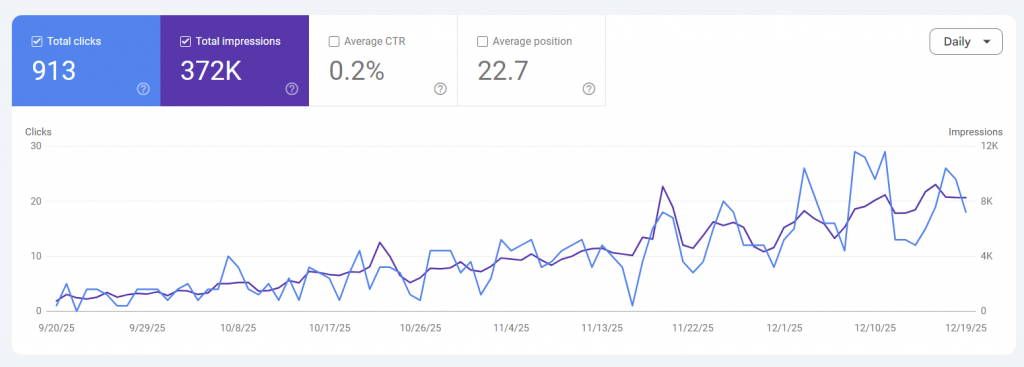
Background: Existing site with minimal backlinks (DR 8), struggling to get traction. Needed referral traffic and better discoverability.
What we did:
- Submitted to 118 Marketing, AI Tools, SaaS, and business tool directories
- Prioritized directories with active user bases
- Optimized listings with compelling copy and visuals
Results after 90 days:
- Domain Rating increased from 15 to 35
- $1,000+ added revenue, directly from Google
- Improved rankings for brand terms
Key takeaway: Quality directories don’t just pass authority, they send real users who convert.
Why Directory Links Work as a Foundation
Directory links aren’t a silver bullet, but they serve a critical role in early-stage SEO:
They build trust signals early
Google uses link patterns to determine if a site is legitimate. A diverse set of directory links from real platforms signals that you’re a real business, not a spam site.
They diversify your link profile
A natural link profile includes various link types—guest posts, mentions, directories, social profiles. Directory links add variety and balance.
They make guest posts and outreach easier later
When you have a baseline DR of 15-20, editors and site owners take your pitches more seriously. It’s easier to collaborate when you’re not starting from nothing.
They send brand signals to Google and LLMs
Directory listings help establish your brand presence across the web. This matters for brand search, entity recognition, and even how AI models like ChatGPT and Perplexity reference you.
DIY vs Using a Service Like SEO Mode
You have three main options for directory submissions:
Manual grind (DIY)
- Time-consuming (30-50 hours for 50 directories)
- You have full control over quality
- Requires research to find good directories
- Best if you have time and want to learn
Random Fiverr gigs
- Cheap but risky
- Often submit to spam networks
- No transparency on where links go
- High chance of wasted money
Curated + managed approach (SEO Mode)
- We’ve vetted 500+ high-quality directories
- Submissions handled with unique descriptions
- Tracking and reporting included
- Built specifically for startups and SaaS founders
- Focuses on directories that actually matter
We built SEO Mode because we were frustrated with the lack of quality directory submission services. Most are either too spammy or too expensive. We wanted something in between, curated, transparent, and effective.
It’s designed for founders who know directory links matter but don’t want to spend weeks doing manual submissions or gambling on cheap outsourced work.
Final Verdict: Are They Still Good for SEO?
Yes, if done right.
Directory submissions are still effective in 2026 when you focus on quality, relevance, and real platforms that send traffic. They’re especially valuable for new domains, founders with no backlinks, and businesses launching or rebranding.
No, if treated like a shortcut.
If you’re submitting to spam directories, expecting instant rankings, or thinking this alone will carry your SEO strategy, you’ll be disappointed.